
In this post, we’ll share five practical, immediate steps you can take today to turn your anger into meaningful action and become part of the change you want to see.

introduction
The life and legacy of Dr. Babasaheb Ambedkar are deeply connected to several historic places across India. These locations are not just landmarks—they are symbols of social change, equality, education, and human dignity.
Among them, Mahad and Chaityabhoomi hold a special place in the hearts of millions. Together, they tell the story of a leader whose vision continues to inspire generations.
Let us explore how these two historic sites help us understand the enduring legacy of Dr. Babasaheb Ambedkar.
Feeling overwhelmed by injustice? Don’t let anger fade into silence. This article gives you five powerful, practical steps to transform outrage into real-world impact—starting right now.
Mahad: The Land of a Historic Movement
Located in Maharashtra’s Raigad district, Mahad is remembered as the site of one of the most important social movements in Indian history.
In 1927, under the leadership of Dr. Babasaheb Ambedkar, the Mahad Satyagraha became a powerful step toward equality and social justice. The movement highlighted the importance of equal rights and human dignity and became a milestone in India’s journey toward social reform.
Today, Mahad stands as a symbol of courage, unity, and constitutional values. Every year, thousands of visitors travel to Mahad to learn about its historical significance and pay tribute to the movement that changed the course of history.
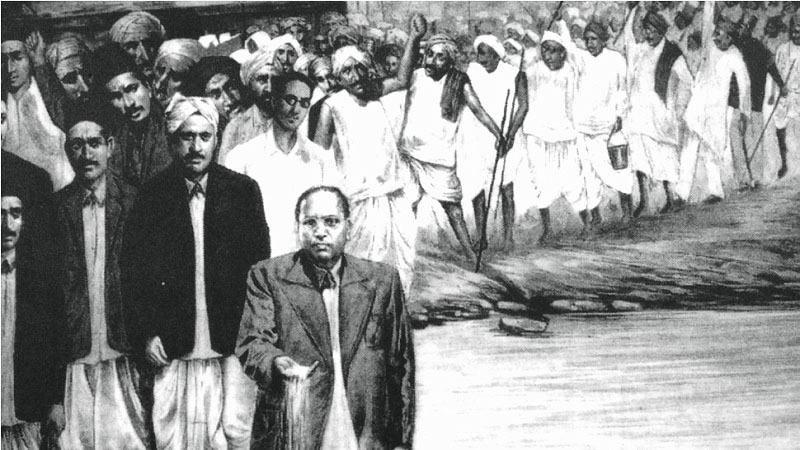
Chavdar Lake: A Symbol of Equality
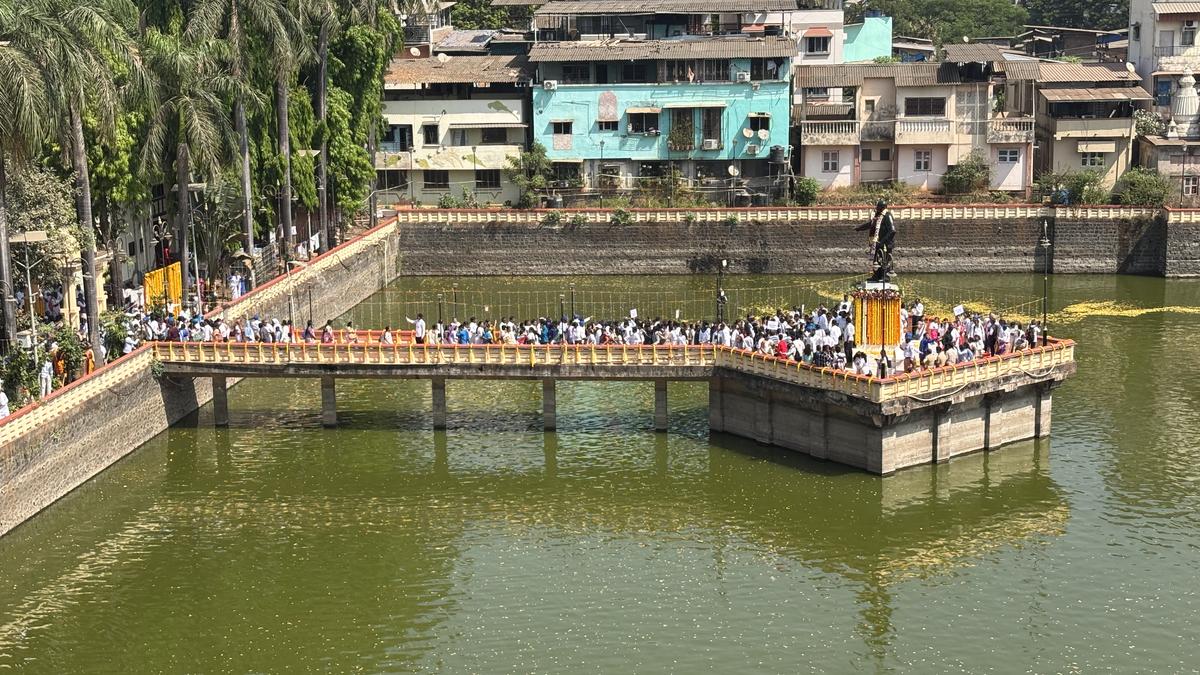
At the heart of Mahad’s history is Chavdar Lake, one of the most recognized landmarks associated with the Mahad Satyagraha.
The lake has become a symbol of equality and social empowerment. Visitors from across the country visit this historic site to understand the importance of the movement and the message it continues to convey even after nearly a century.
As India approaches the 100th anniversary of the Mahad Satyagraha in 2027, Chavdar Lake remains a powerful reminder of the values that Dr. Ambedkar championed throughout his life.
Chaityabhoomi: A Place of Tribute and Inspiration
Located in Mumbai, Chaityabhoomi is one of the most important memorial sites dedicated to Dr. Babasaheb Ambedkar.
It is the place where Babasaheb was cremated on 7 December 1956 and has since become a major pilgrimage destination for his followers. Every year, millions of people visit Chaityabhoomi on Mahaparinirvan Diwas to pay their respects and honor his contribution to India.
For many visitors, Chaityabhoomi is not only a memorial but also a place of inspiration, reflection, and gratitude.
Connecting Mahad and Chaityabhoomi
Although Mahad and Chaityabhoomi represent different moments in history, both are connected by a common purpose—the legacy of Dr. Babasaheb Ambedkar.
Mahad represents the struggle for equality.
Chaityabhoomi represents remembrance and inspiration.
Together, they tell the story of a leader who dedicated his life to building a society based on justice, education, and human dignity.
These sites continue to educate people about the importance of constitutional values and social responsibility.
Why These Places Matter Today
In today’s world, the lessons associated with Mahad and Chaityabhoomi remain as relevant as ever.
They remind us of:
- The importance of equality and inclusion
- The power of education and awareness
- The value of constitutional rights
- The need for social responsibility
- The enduring impact of peaceful social change
For young generations, these places offer an opportunity to connect with history and understand the principles that continue to shape modern India.
Mahad 100: Celebrating a Historic Legacy
The year 2027 marks 100 years of the Mahad Satyagraha. Through the Mahad 100 initiative, efforts are being made to celebrate this historic milestone and spread awareness about its significance.
The centenary celebration will bring together people from different backgrounds to honor the ideals of equality, justice, and social transformation that Dr. Babasaheb Ambedkar championed throughout his life.
It is an opportunity to remember the past while inspiring future generations to carry forward these values.
Conclusion
From the historic land of Mahad to the sacred memorial of Chaityabhoomi, the journey of Dr. Babasaheb Ambedkar’s legacy continues to inspire millions.
These places are more than historical landmarks—they are symbols of courage, equality, and hope. They remind us that meaningful change begins with a vision and that one person’s determination can transform the lives of countless others.
As we move towards the centenary of the Mahad Satyagraha, the stories of Mahad and Chaityabhoomi continue to guide us toward a more just and inclusive future.